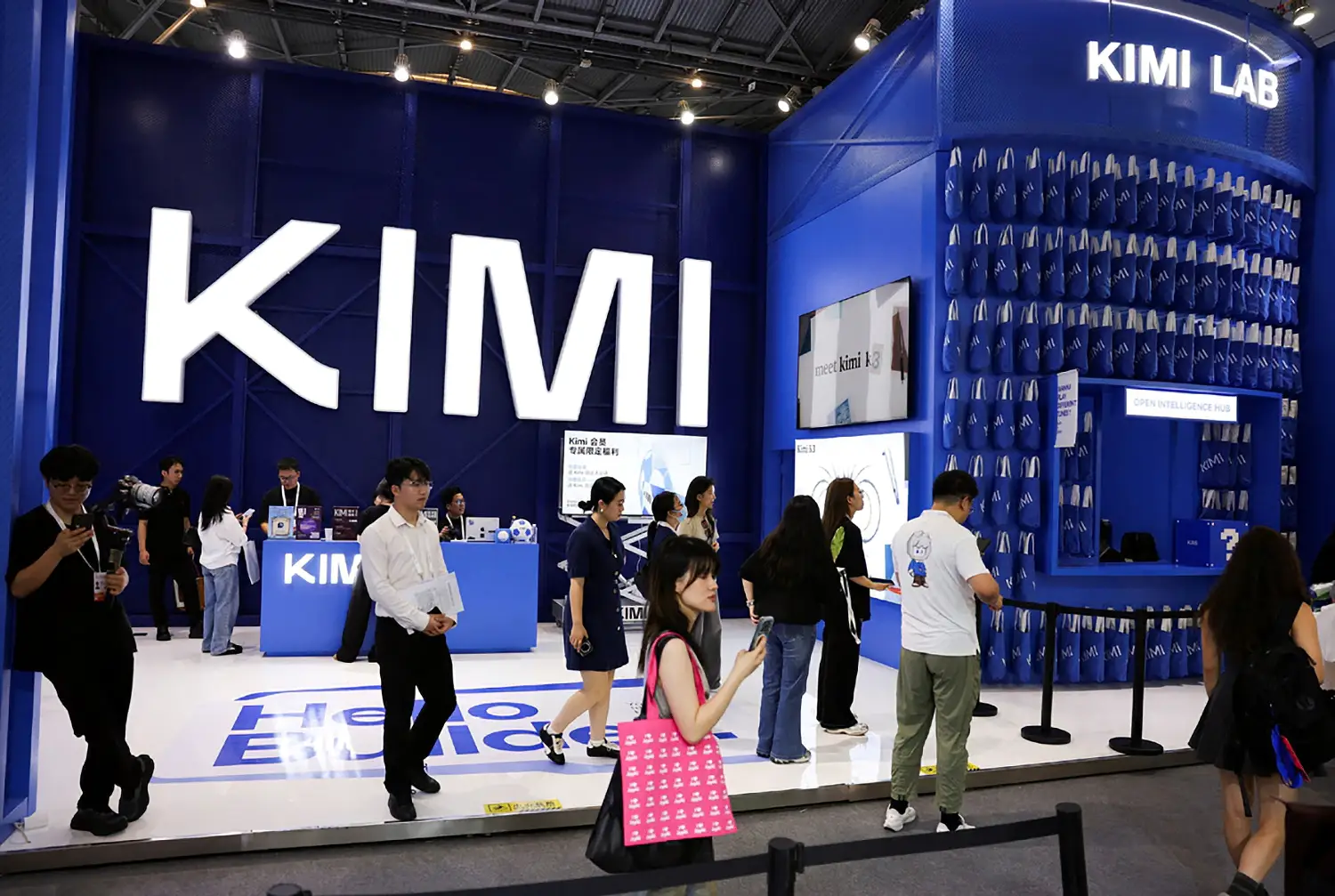
This year we saw consumers become more intentional and deliberate around where they spent, rather than just filling their shopping carts because of generous discounts. Shoppers were researching more deeply before the festival began, arriving with clearer intent, and buying fewer items at higher average values. Some of the categories seeing growth this year are niche or newer product categories, such as baby skincare and AI hardware.
There was less of a focus on discounts this year in part due to a regulatory intervention that platforms must compete on innovation and service, not on subsidies and price cuts. This was beneficial for brands because price competition had compressed margins, trained consumers to defer purchases to promotional windows, and made it structurally difficult for brands competing on quality to differentiate themselves from those competing purely on price.
The brands that performed best during 618 this year were not the ones with the deepest discounts, but the ones with the clearest brand narratives, the strongest product credibility, and the most consistent platform presence throughout the year.
The most effective approach we observed was gift-with-purchase and limited-edition bundling rather than straight price reduction. For brands to protect margin and brand equity, the key was to give consumers additional value without training them to expect a discount on core SKUs.
Some premium beauty brands used the festival window to launch new products exclusively on Tmall, using the traffic spike to drive trial rather than to move existing inventory at reduced margin.
Notably, this was the first 618 where AI moved from a supporting feature to the central architecture of the shopping experience. This was especially true at the product and brand discovery level for consumers.
Taobao’s full integration with Qwen meant consumers could complete the entire shopping journey through an AI conversation. This fundamental change to product discovery favoured brands with well-structured product content, clear ingredient claims, and specific use-case language.
We are now advising every brand we work with to treat AI optimization as a core part of their China platform strategy, not a future consideration.
On top of discovery, AI helped merchants.
JD’s AI digital human anchors generated over RMB70 million in sales in the first four hours alone, with more than 70,000 merchants running AI-hosted livestreams around the clock. Taobao’s AI customer service upgrade achieved a 20% reduction in fraudulent refund requests, which was a big problem with previous festivals.