WPIC helps global brands plan, launch, and grow in China, Japan, Korea, and Southeast Asia with local teams and full execution across strategy, logistics, commerce, and marketing.
Market trends, success stories, and industry insights from the experts at WPIC. Subscribe to our newsletter and get market intelligence on Asia Pacific in your inbox.
Published on July 24, 2024
For years, China’s US$70.36 billion beauty market was the ultimate forbidden fruit for cruelty-free brands. With some rather strict animal testing requirements, any brand with a conscience was left standing outside, noses pressed against the glass, watching the others make a killing.
But now, the tide has turned. A significant shift in regulations has opened the door for global beauty brands to enter China without sacrificing their commitment to being cruelty-free.
So, what’s the deal with these new regulations? And what fresh opportunities are there for those cruelty-free beauty brands now eyeing this massive market with renewed hope?
In this article, we’ll explore the changes in China’s animal testing laws and the promising new opportunities these present for cruelty-free beauty brands in this vast market.
China regulates its cosmetics market through the National Medical Product Administration (NMPA).
For decades, they were adamant that every cosmetic product on Chinese (physical) shelves had to undergo animal testing. This was, understandably, a deal-breaker for cruelty-free brands, which adhere to ethical standards that vehemently oppose such practices.
But, times have changed.
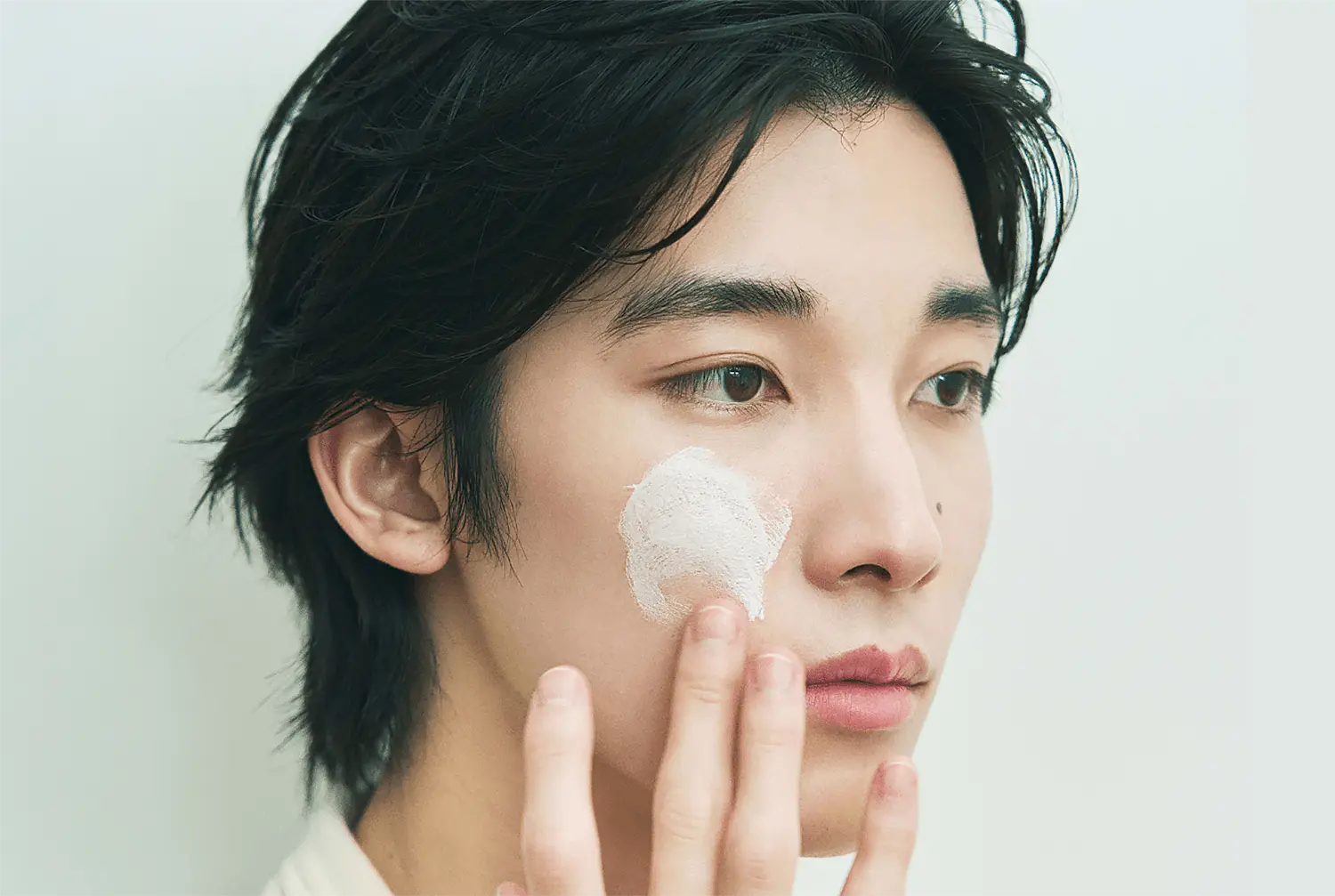
As of 2021, China has lifted the mandatory animal testing requirement for most cosmetics — think skincare, makeup, hair care, and perfume. The new rules have cleared away the bureaucratic cobwebs that once ensnared businesses in this sector.
This is a game-changer for brands committed to cruelty-free practices. Instead of animal tests, manufacturers can now employ alternative methods to prove product safety, provided they meet a few specific criteria.
Let’s break it down a bit further:
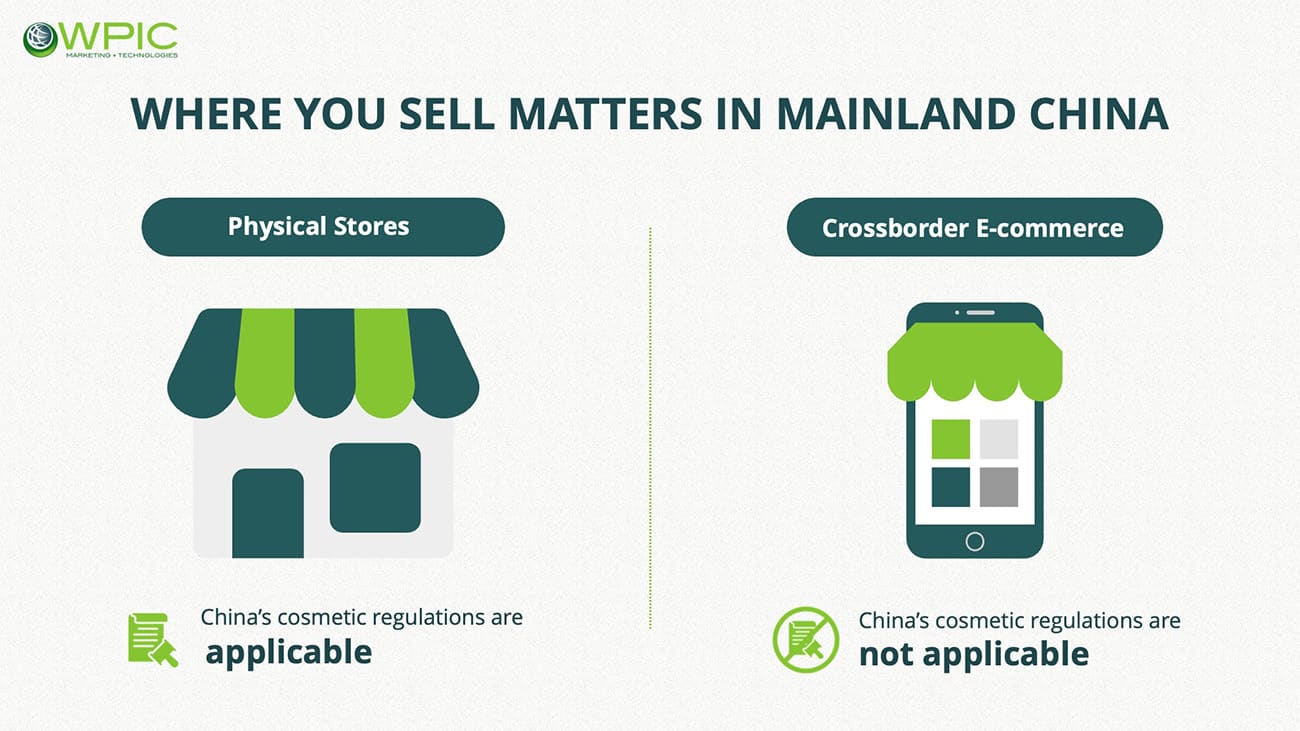
Since November 2018, a little-known exception has allowed cosmetics sold in mainland China via crossborder e-commerce (CBEC) channels to sidestep Chinese cosmetic regulations and avoid the dreaded mandatory toxicology tests.
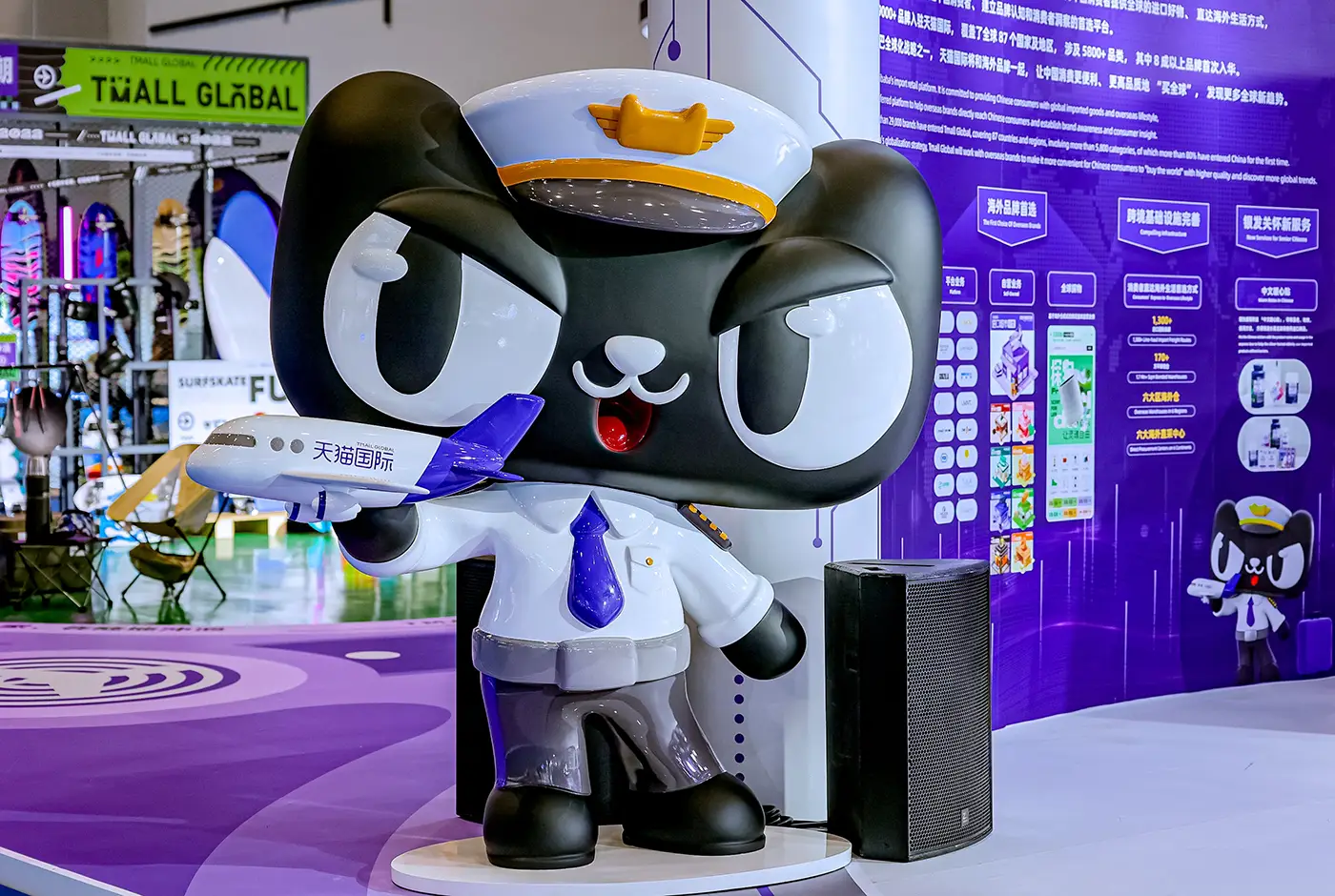
This exemption for CBEC imports has allowed international cruelty-free brands to test the waters in the Chinese market through online platforms like Tmall Global, sidestepping the usual regulatory minefield for years already.
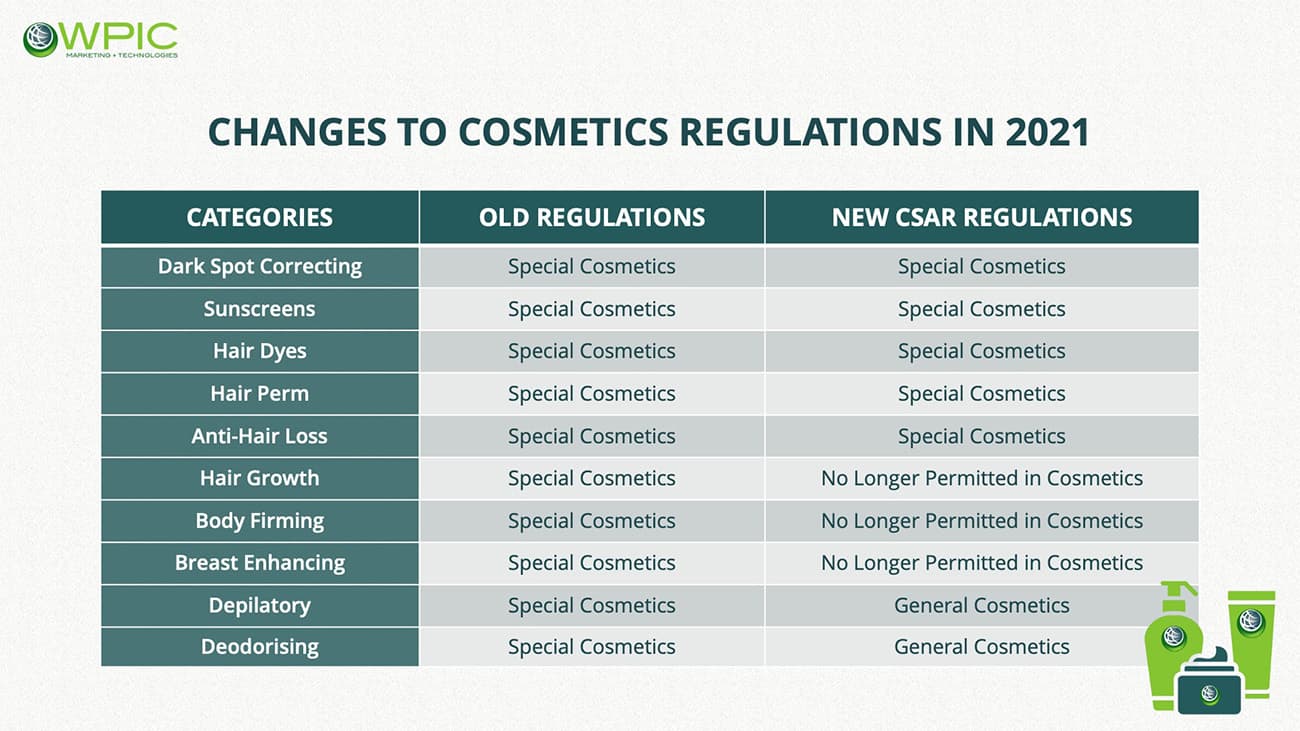
China’s cosmetics regulations draw a line between ‘special’ and ‘general’ cosmetics.
Special cosmetics cover the likes of hair dyes, perming products, hyperpigmentation treatments, sunscreens, anti-hair loss products, and anything flaunting new efficacy. The 2021 Cosmetic Supervision and Administration Regulation (CSAR) has trimmed this list to just 5 categories. Unfortunately, special cosmetics still have to endure the rigours of animal testings.
Products aimed at babies, expectant mothers, and those using new ingredients within their 3-year monitoring period also remain tethered to animal testing requirements.
However, ‘general’ cosmetics — making up the lion’s share of the market — can skip these toxicology tests if they present 2 key documents:
It’s worth noting that the exemption mentioned above applies to pre-market testing. When it comes to the post-market phase, animal testing hasn’t been completely ruled out by regulatory authorities.
That said, the likelihood of encountering post-market animal testing is quite slim. It’s generally reserved for products posing serious safety risks, and even then, companies can opt to pull products from the shelves rather than let them be subjected to animal testing.
So, what does all this mean for cruelty-free beauty brands? In a word: opportunity.
The Chinese beauty market, a vast playground worth billions, has just thrown its doors wide open. This regulatory shake-up has dismantled what was once an insurmountable barrier, handing ethical brands a golden ticket to a massive, eager consumer base.
Chinese consumers are becoming increasingly savvy and selective about their beauty products. There’s a growing demand for cruelty-free, ethical, and environmentally friendly options.
A younger, more informed demographic is spearheading this shift, placing a premium on product ethics and sustainability. This trend aligns seamlessly with the values championed by cruelty-free brands, positioning them perfectly to meet this burgeoning demand.
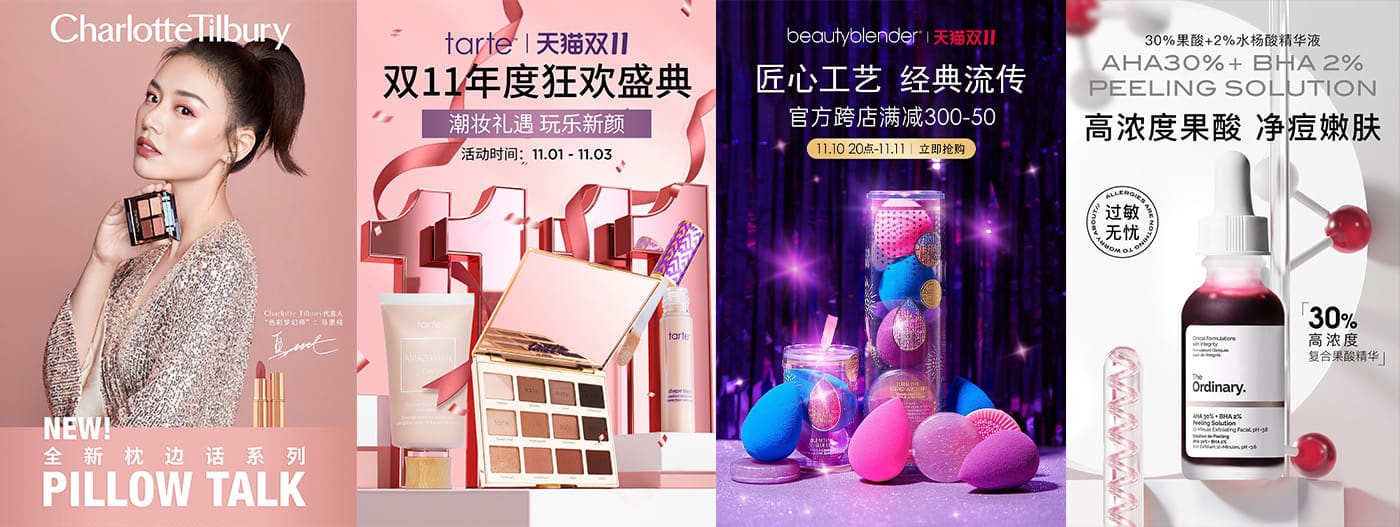
Cruelty-free brands like Charlotte Tilbury, Tarte, and The Ordinary are already making significant strides in China. They’re mastering digital engagement and partnering with China’s most influential Key Opinion Leaders (KOLs). By weaving compelling narratives around sustainability and ethical practices, these brands are striking a chord with eco-conscious Chinese shoppers.
These cruelty-free brands serve as a blueprint for other brands eyeing the market, showing that it’s not only possible to thrive in China but to do so while staying true to cruelty-free principles.
The end of mandatory animal testing in China is a game-changer for cruelty-free beauty brands. This opens a door to a massive market eager for ethical products, but let’s be real — breaking into a new market isn’t easy.
That’s where WPIC Marketing + Technologies comes in.
With nearly two decades of APAC experience, WPIC makes your China market entry seamless. From regulatory compliance to strategic market entry, our full-service solutions are tailored to your brand’s needs.
Our team of experts will guide you through the Chinese market’s complexities, ensuring your products tick all the regulatory boxes and captivate local consumers.
So why wait?
Contact us today to learn how WPIC can help your brand succeed. Don’t miss this opportunity to expand and thrive in one of the world’s most profitable beauty markets.
Get content like this in your inbox.